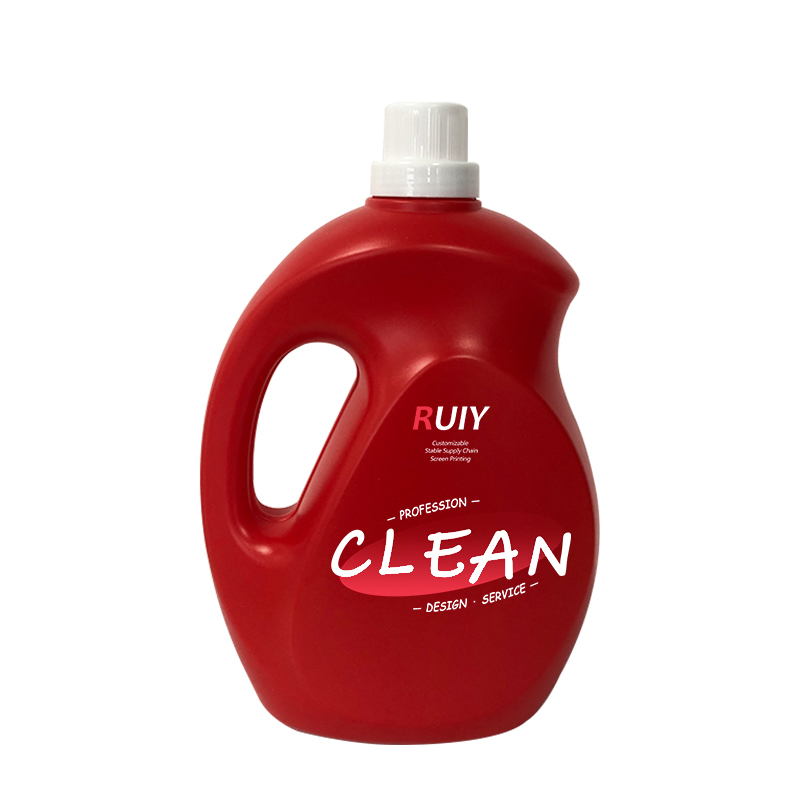
As an artificial synthetic material, plastics have profoundly transformed human production and lifestyles since their inception. Their widespread application stems from unique performance advantages, with specific benefits reflected in multiple dimensions:
### I. Advantages in physical properties: Lightweight, durable, and adaptable **Lightweight, reducing energy consumption** Plastics typically have a density only 1/5 to 1/10 that of metals (e.g., polyethylene (PE) has a density of approximately 0.9g/cm³, while steel is around 7.8g/cm³). Replacing metals, glass, and other materials with plastics can significantly reduce product weight. For example: - In the automotive sector: Plastic components (such as bumpers and interior parts) reduce the overall vehicle weight by 10%, cutting fuel consumption by about 6%. - In packaging and transportation: Plastic bottles are over 80% lighter than glass bottles, drastically lowering logistics costs and carbon emissions.
**High strength and toughness, enhancing safety** Engineering plastics (e.g., ABS, nylon) offer far superior impact resistance compared to glass, even approaching that of some metals: - Plastics used in children’s toys prevent injury from shattering. - Plastics in car dashboards and safety helmets absorb impact through deformation, reducing collision-related harm.
**Weather and corrosion resistance, extending service life** Plastics are resistant to ultraviolet radiation, acids, alkalis, and rust: - Outdoor billboards and plastic water pipes have a service life of 10–20 years, far exceeding that of wood (prone to rot) and metal (prone to rust). - Plastic storage tanks in the chemical industry for storing acid and alkali solutions require less frequent replacement, reducing maintenance costs.
### II. Advantages in processing and cost: Flexible, efficient, and accessible **Easy to process, with diverse forms** Plastics can be shaped into any form through processes such as injection molding, blow molding, extrusion, and 3D printing—from micron-scale electronic components to large storage tanks, from films (e.g., plastic wrap) to foams (e.g., insulation boxes). This flexibility enables low-cost mass production of complex-structured products (e.g., precision gears, irregular pipes).
**Low cost, benefiting daily life** Raw materials for plastics (e.g., PE, PP) are far cheaper than metals, glass, and ceramics, with lower processing energy consumption (producing 1 ton of plastic consumes approximately 1/6 the energy of producing 1 ton of steel). This allows: - Daily necessities (e.g., plastic bags, tableware) to be affordable, benefiting low-income groups. - Medical supplies (e.g., syringes, infusion tubes) to remain cost-effective, promoting the popularization of basic medical care.
### III. Unique value in application fields: Irreplaceable scenario adaptation **Food and medical sectors: Ensuring hygiene and safety** - Food packaging: Plastic films (e.g., PET) block oxygen and moisture, extending the shelf life of bread and meat by 3–5 times and reducing global food waste by 1/3. - Medical field: Disposable plastic gloves and surgical instruments prevent cross-infection, forming the foundation of modern aseptic medical care; flexible plastic infusion bags facilitate patient movement and reduce the risk of breakage compared to glass bottles.
**Electronics and energy sectors: Supporting technological progress** - Electronics industry: The insulation (e.g., PVC wire sheathing) and heat resistance (e.g., high-temperature engineering plastics) of plastics ensure circuit safety, critical for miniaturizing devices like mobile phones and computers. - New energy sector: Weather-resistant plastics used in photovoltaic panel encapsulation protect battery cells; flame-retardant plastics for electric vehicle battery casings balance lightweight design and safety.
**Agriculture and environmental protection: Promoting efficient resource use** - Agriculture: Plastic greenhouses (weather-resistant PE films) control temperature and humidity, increasing vegetable yields in northern regions by 2–3 times; plastic drip irrigation pipes reduce irrigation water use by 90%, alleviating water scarcity. - Environmental protection: Plastic water storage tanks and sewage treatment equipment resist chemical corrosion, aiding sewage purification; replacing wood (e.g., plastic boardwalks) reduces deforestation, protecting ecosystems.
### IV. Indirect benefits for resources and the environment: Reducing reliance on natural resources The widespread use of plastics reduces demand for natural or high-energy-consuming materials such as wood, metals, and glass:
- Replacing wood: Globally, plastics used in pallets, fences, etc., save hundreds of millions of trees from being cut down each year. - Replacing metals: Using 100kg of plastic parts instead of metal in each car reduces iron ore mining and smelting by approximately 500kg (lowering slag pollution).
### Summary The benefits of plastics essentially lie in the combination of "diverse performance" and "controllable cost." They not only offer physical advantages such as being lightweight, durable, and easy to process but also precisely adapt to scenarios ranging from daily consumption to high-end technology. They play an irreplaceable role in improving quality of life, reducing productiergy consumption, and driving technological progress. While plastic pollution requires attention, rational use of their advantages remains a key pillar of the efficient operation of modern society.